A gift for someone who has everything
When money has already bought everything a person wants, price stops saying anything. What still registers is proof that someone was paying attention.
The short answer. For someone who has everything, we look for a gift that could only be theirs. Money has already found them most things. What it cannot find on its own is a piece that shows someone noticed one particular thing about their life, and that exactness is what they remember long after the price is forgotten.
Why price stops working
The instinct with a hard-to-please recipient is to spend more. It rarely helps. In a set of studies published in 2009, researchers at Stanford found that givers expected costlier gifts to be more appreciated, while recipients' appreciation showed no link to price (Flynn and Adams, Journal of Experimental Social Psychology). Price matters more to the giver than to the person receiving the gift.
For someone who already owns the costly version of most things, that gap is wider still. A more expensive watch, pen or bottle is more of what they have, and it says nothing about them.
The three tests we hold a gift to
- It starts from a detail of their life. We look for a fact, such as the same worn bag carried through every month of a long deal, in place of a category such as "likes watches". The detail is usually something the recipient said in passing, or something the people around them know.
- It rests on a fact that holds up. A year, a material, a process or a piece of history gives a gift its weight. People who have everything are often people who look things up, and a gift whose story survives the search gains weight each time it is told.
- It will be used. The best of these gifts are carried, worn, wound or looked through. Use is how a gift stays in someone's life, and a drawer is where it leaves.
The four favors below show how those tests work at different budgets.
Four favors we arrange, from $500 upward
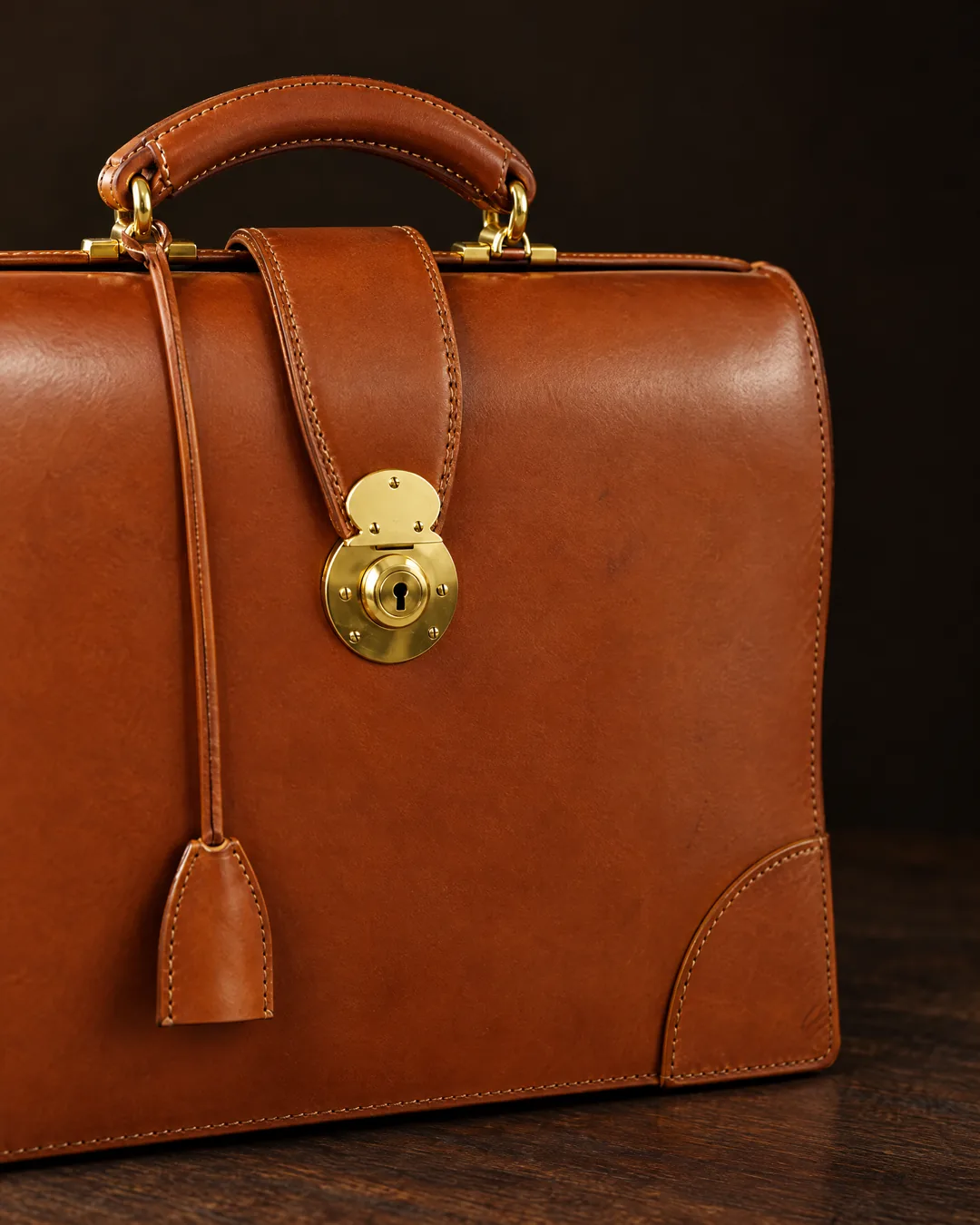
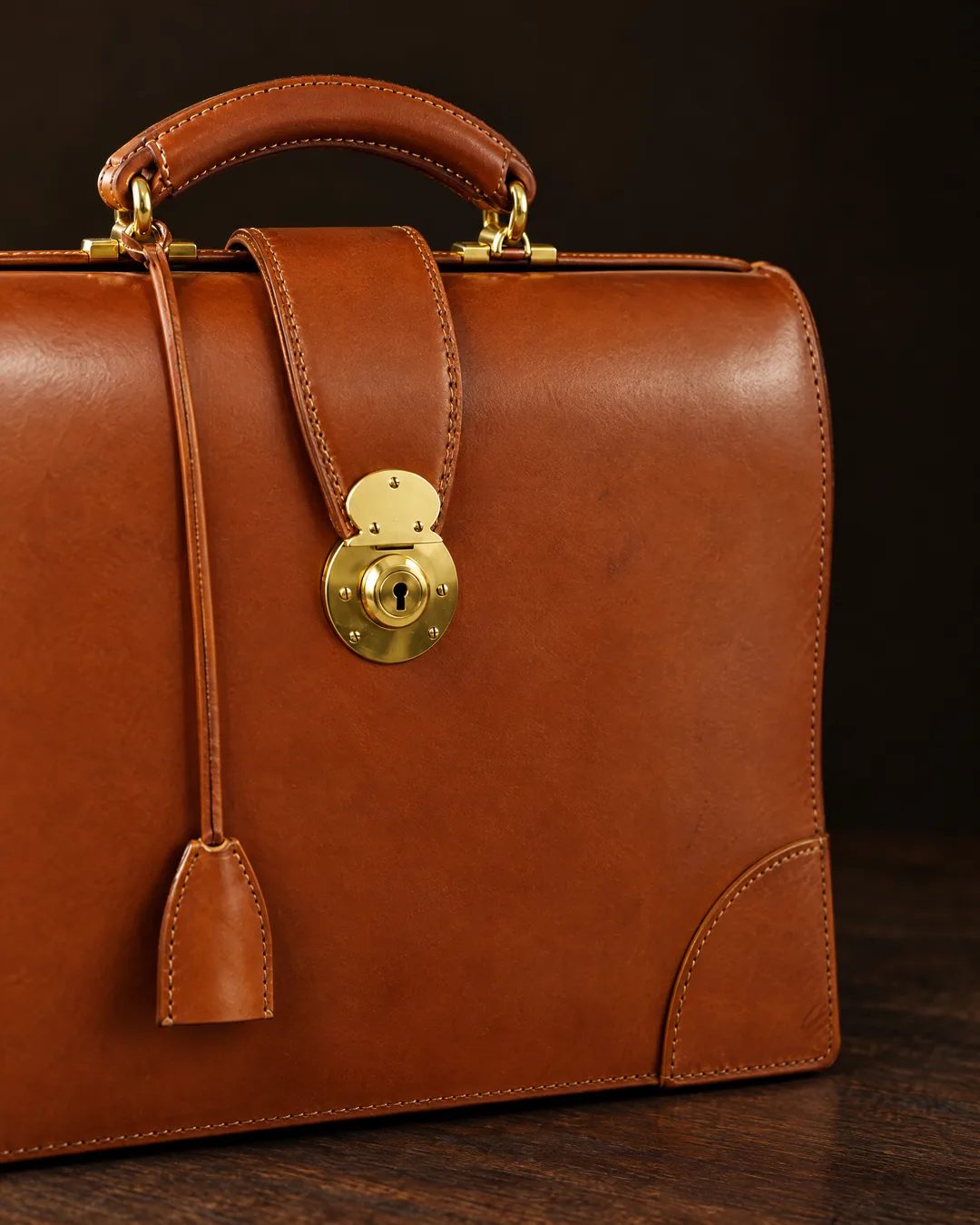
Eleven Months, Carried. When a long deal closes and the lawyer who carried it has worn out a bag along the way, we commission a briefcase in English bridle leather, made to order in an English leather workshop. The pockets are laid out for how the owner works, the locks are solid brass, and their initials are blind-embossed inside, where only they will see them. Bridle leather darkens and softens with handling, so the case records the years that follow the way the old bag recorded the deal. It is a modest gift, in the $500–$2.5k band, and it carries no logo anywhere.
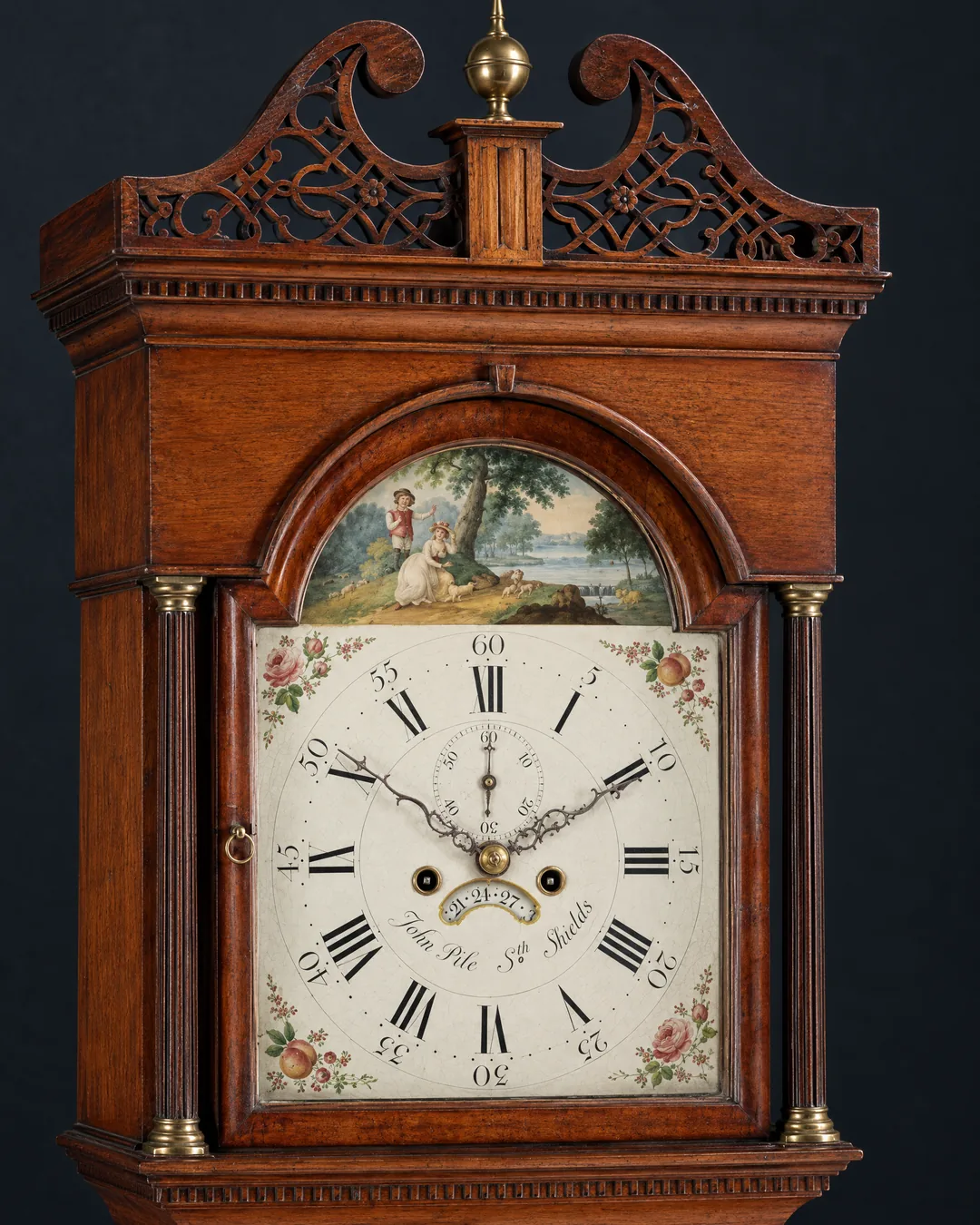
Wound Once a Week. For grandparents who want to mark a first grandchild with something that will still be running when the child is their age, we find an English oak longcase clock made around 1785 in north-east England, with an eight-day movement that strikes the hours. The movement is serviced, a clockmaker delivers the clock, sets it in beat and shows the parents how to wind it, and we fix a brass plate engraved with the birth date inside the trunk door. An eight-day clock is wound once a week, so the gift comes with a small ritual that can last a lifetime. Budget band $2.5k–$10k.
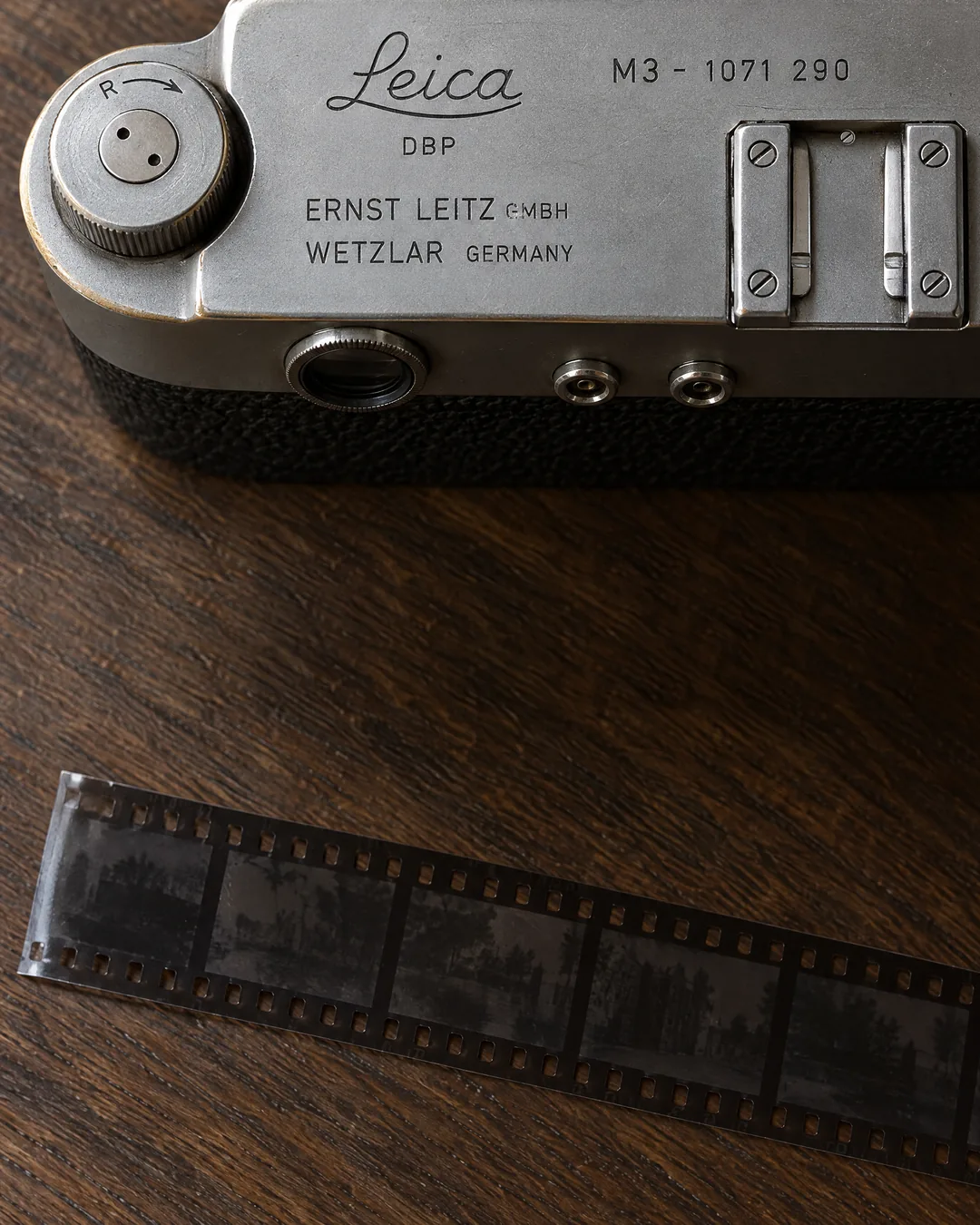
The First Roll. For a photographer who came up through newspapers and still shoots film on weekends, we find a German 35 mm rangefinder from around 1960 and have a camera restorer clean, lubricate and adjust it. With it we arrange ten rolls of black-and-white film and a one-to-one session with a darkroom printer, working from the photographer's own negatives. A mechanical camera of this age needs no battery and, serviced, can run for decades more. Budget band $2.5k–$10k.
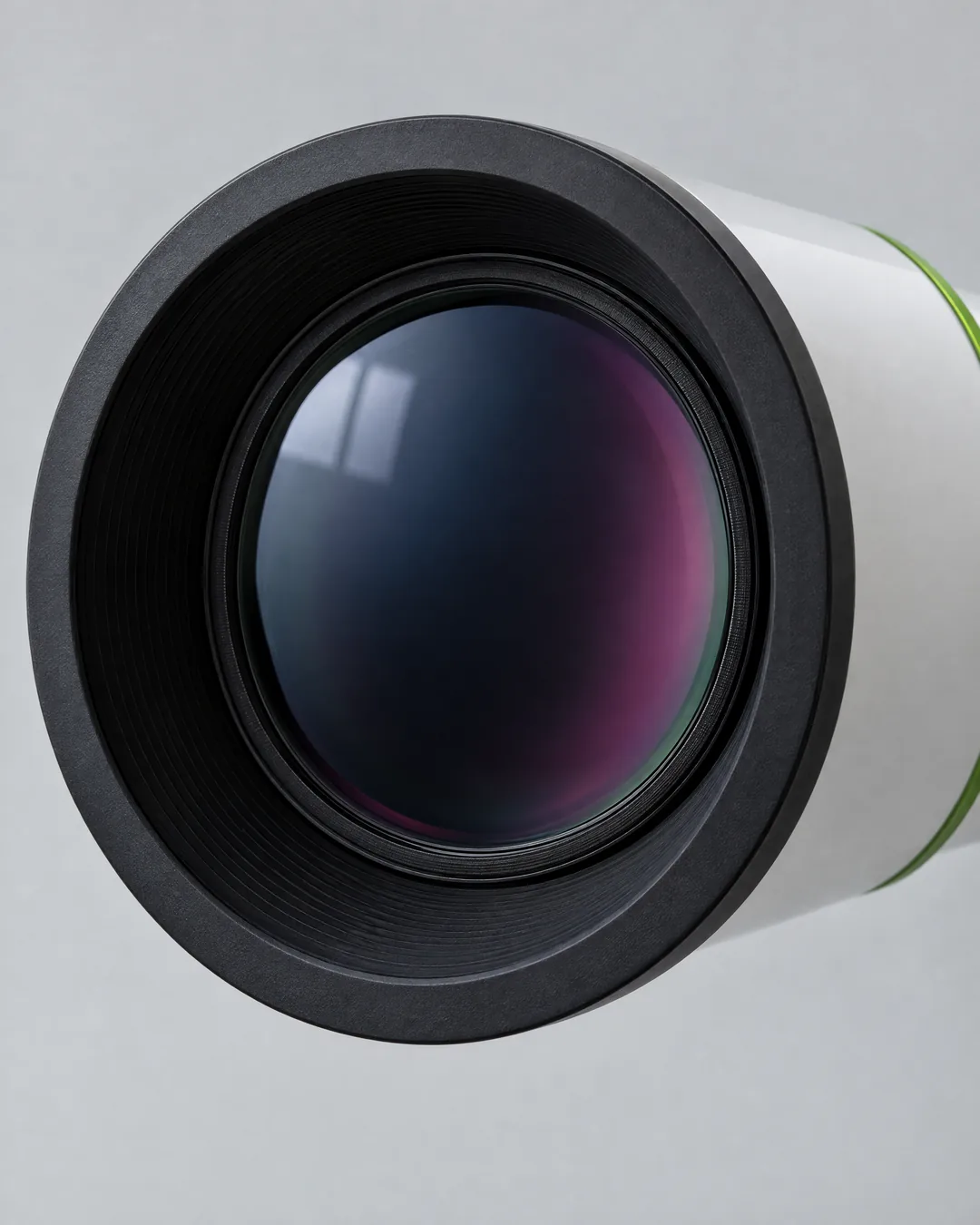
First Light. For someone turning seventy who has kept a small reflector telescope in the garage since the moon landings, we propose a 150 mm apochromatic refractor on a computerized mount. We arrange a night at a ridge-top observatory beside a state park for the family alone, with a volunteer astronomer to help align the new telescope at dusk. A 150 mm lens gathers about 460 times the light of a dark-adapted eye. Budget band $10k–$50k.
Each of these could be replaced by something costlier. None could be replaced by something more exact.
Objects, experiences, or both
Research on gift-giving suggests that experiences can do more for a relationship than things. In experiments with real gift exchanges, experiential gifts strengthened the bond between giver and recipient more than material ones, whether or not the two shared the experience (Chan and Mogilner, Journal of Consumer Research). The authors traced the effect to the emotion the recipient felt while living it.
For someone who has everything, we often propose both, an object they will keep and an occasion to use it for the first time. The darkroom session ends with a print from the photographer's own negatives. The observatory night is the telescope's first light. The object then keeps the memory of the day.
What to avoid
- The upgrade. A more expensive version of something they already own shows that the giver noticed the category. It says little about the person.
- The logo. A visible brand does the talking for the gift, and most people who have everything already own the brand.
- The novelty. A clever gadget is fun for a week and a drawer for years.
- The experience that takes over their calendar. A trip on fixed dates, given as a surprise, can become a burden. We agree on dates first, or propose an experience that can move.
- The gift that needs a reaction. Some people dislike opening things in front of others. We let it arrive quietly, with a card that explains why it was chosen.
- Guessing when you could ask. An assistant, a spouse or an old friend often knows the detail that is missing. Asking them is part of our work.
Finding the detail
When nothing comes to mind, a few weeks of listening usually turns something up. People who have everything still talk about a place they keep going back to, a habit that won't go away, a hobby they gave up, an object they lost or something they wanted as a child and never got. Writing down what you hear helps. Usually one item on the list is the gift.
A good brief shares whatever you know, such as an age or a birth year, a place, a habit, the occasion, a budget and the date it must arrive by. Names aren't needed. The more exact the brief, the more exact the gift we can find.
How long the right piece takes
Exact gifts take longer than general ones, because the right piece often has to be found, restored or made. As a guide, and not a promise:
- A piece made to order, such as the briefcase, typically takes six to eight weeks.
- An antique that is delivered and set up, such as the longcase clock, typically takes three to six weeks.
- A serviced camera typically takes two to four weeks, though the exact body depends on what a dealer has that month.
- An object with an arranged night, such as the telescope and the observatory, typically takes three to six weeks, and the night itself moves if the sky is cloudy.
We start as soon as the date is known. The extra weeks are what let us find the right piece instead of the nearest one.