What to give a CEO, a chair or an investor
Senior people can already have anything. What reaches them is a piece tied to one detail of their own life, with a history they can check.
The short answer. The gift that reaches a CEO, a board chair or an investor is one piece tied to a detail of their own life, such as a city they once lived in or a habit their colleagues know well. A piece with a history they can check carries more weight than a costly object anyone could have chosen. Where the relationship is formal, the gift comes from the group, and we take into account any gifting rules you share with us.
Why senior people are hard to give to
The people at the top of a company, a board or a fund can buy most things for themselves, and usually have. A pen, a bottle or a branded clock tells them a gift was due. It says nothing about them.
So we start small and exact. Somewhere in the last few years, a senior person has mentioned the thing that tells us what to give. It might be a city they still talk about, a breed of dog they have kept all their life, or the way they pack for a trip. That detail is where our search begins.
What each moment asks of the gift
The three roles look alike from a distance. Each asks something different of the gift.
- A chair stepping down is leaving a role, and the gift belongs to the life that comes after the boardroom. It belongs in their home and comes from the whole board, as thanks for the years they gave.
- An investor who backed a company early has watched it from the inside. The gift can name that shared history directly, whether it is the first check, the first store or the seat they now take at the table.
- A CEO marking a milestone usually hears the board's thanks in a meeting. A gift lets the board say it somewhere else, and it should be about the person more than the results.
Three pieces we find for these moments
The Moon Jar. For a chair stepping down who once lived in Seoul and still talks about the white porcelain in its museums, we look to a white porcelain moon jar. We source one about 14 inches high, thrown on the wheel and reduction-fired by a Korean-born potter who trained in Seoul and now works in England, and we write a short note on the tradition and the maker to go with it. The form descends from the jars of the Joseon dynasty, and the Metropolitan Museum of Art dates its own moon jar to the second half of the eighteenth century. It is the kind of jar such a person has seen behind museum glass, made to stand in a house where it can be touched. A whole board can give it together, and it belongs in a hall or on a low chest at home. Budget band $2.5k–$10k.
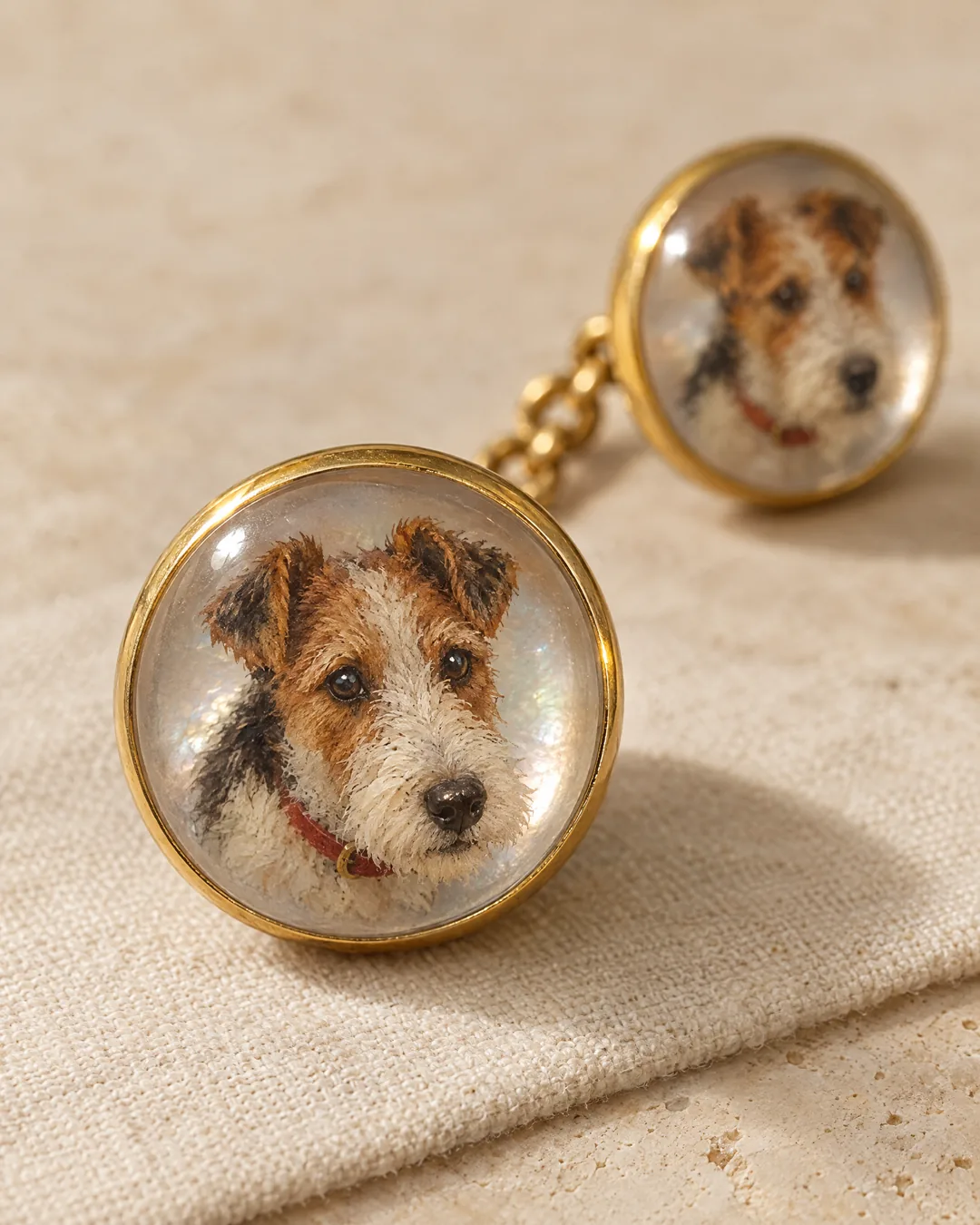
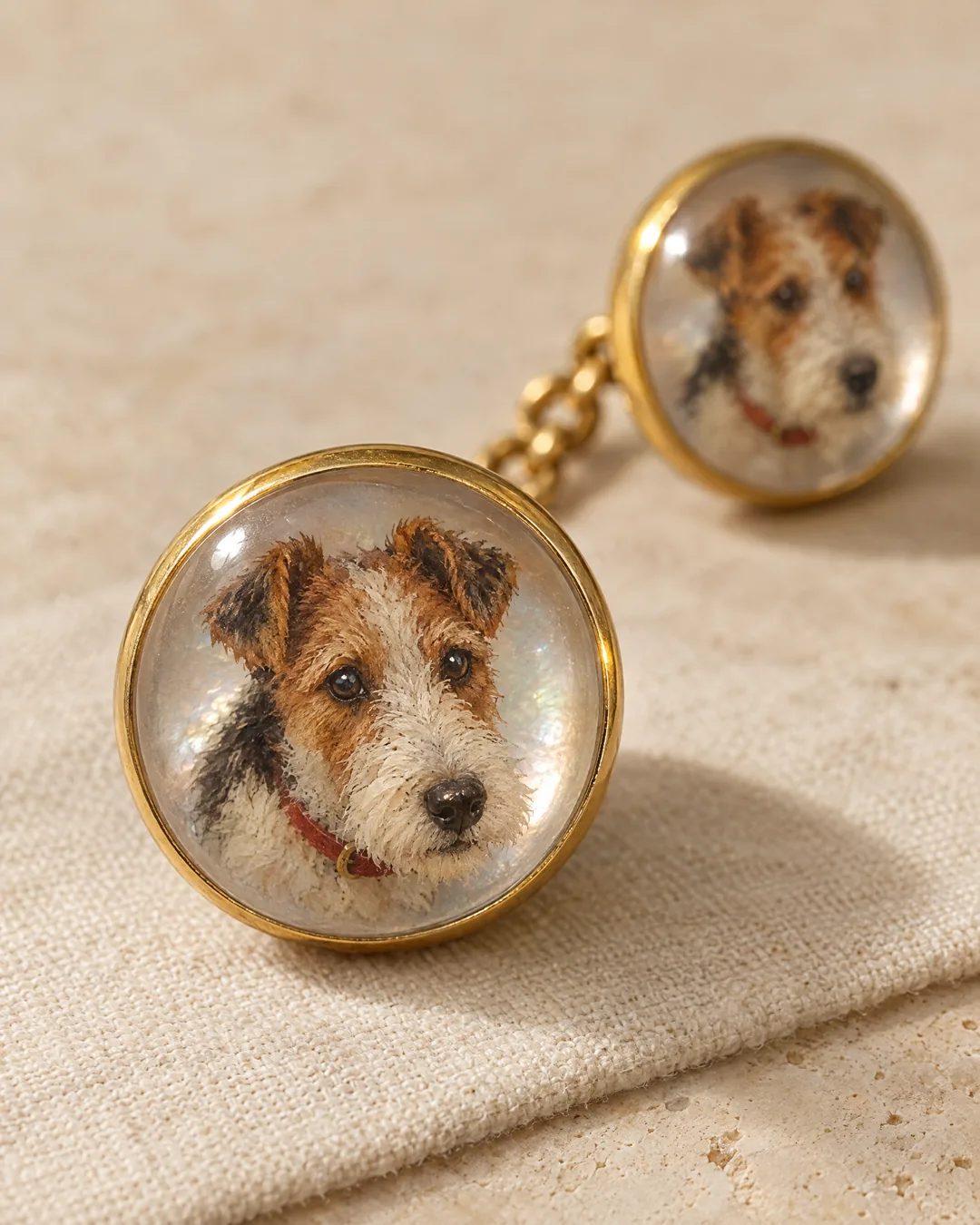
Under Rock Crystal. When a lead investor who has kept terriers all their life agrees to take a board seat, we search the antique trade for a pair of Victorian gold cufflinks set with reverse-painted rock crystal. Each crystal is carved from the back and painted in reverse, so the dog appears to stand inside the stone. The technique was used for sporting dogs on gentlemen's cufflinks from the 1860s, and it fell away when cheap glass copies arrived around the 1920s. A pair showing one particular breed takes searching. Once we have it, a jeweler checks the fittings and we write a short history of the technique to go with them. For someone who wears French cuffs to every meeting, they can be worn to the first meeting as a director and to most meetings after. Budget band $2.5k–$10k.
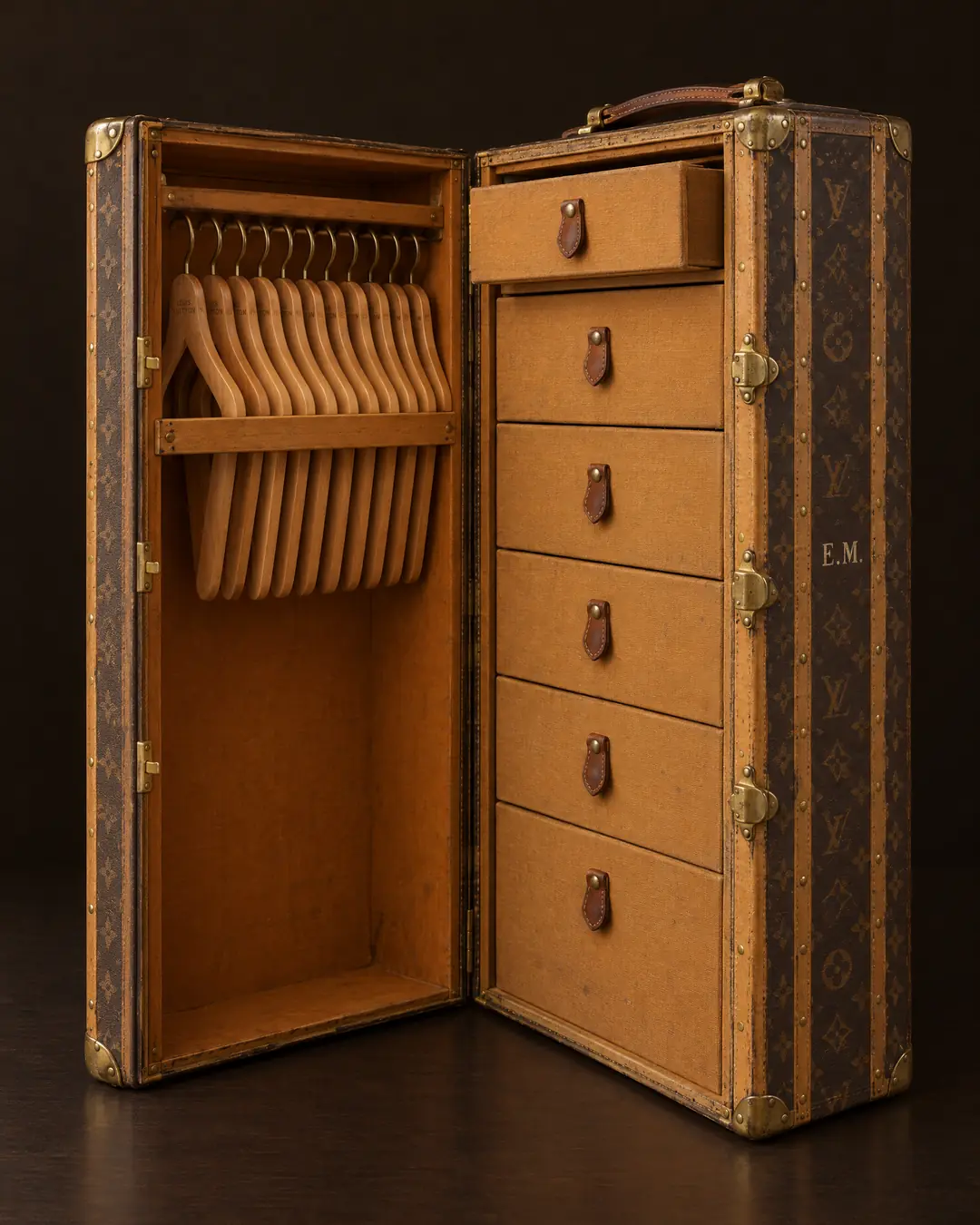
Packed for a Month. For the first investor in a clothing company that is opening its first store, particularly one who packs for a weekend as if it might last a month, we find a wardrobe trunk made in Paris about a century ago. It is built of canvas over wood with brass rivets, and it stands on end and opens like a book, with hangers on one side and six drawers on the other. A trunk restorer conserves it, and we have the new owner's initials painted on the side, as owners did then. Restored examples with complete interiors are few, so we start looking as early as we can. Budget band $10k–$50k.
None of the three is the most expensive thing a board or a founding team could give. Each is chosen so that it could only belong to one kind of person.
What we look for in a brief
When we read a brief for a senior recipient, we look for four things.
- A detail only they would recognize. A city, a breed of terrier or a way of packing are all details of this kind. Without one, a gift drifts toward the generic, whatever it costs.
- A fact that holds up. A Joseon form, a technique of the 1860s and a trunk built so clothes could travel on hangers are all things a recipient can look up. Senior people often do, and a gift that survives the search earns a respect that price alone does not.
- A place in their life afterward. The jar is made to stand in a hall, the cufflinks to be worn to meetings, and the trunk to be used. A gift that is used gets talked about.
- The right giver. A gift from a board reads differently from a gift from one director. We settle who signs the card before we propose the piece.
What to avoid
- Anything that reads as a bonus. Cash, gift cards and things with an obvious resale value can look like payment, especially from a company. A thank-you should never be mistaken for compensation.
- The office gift for a farewell. A desk object for someone who is leaving the desk sends the wrong message.
- Your own logo. A branded gift thanks the company. The person goes unmentioned.
- Sentiment that misfires. Jokes about age or retirement, or a gift built around a private grief the recipient has not chosen to share, can land badly in front of a board.
- A gift that asks for a performance. Some people dislike opening things in public. If the farewell dinner is the moment, we suggest presenting a written card there and letting the piece arrive at home.
- Ignoring the rules they work under. Many firms, and every public body, set limits on what their people may accept. If the recipient works somewhere regulated, or in public office, check their gift policy before you begin, and share any rules you know of with us. We take them into account when we choose.
How long the right piece takes
Boardroom dates are usually known well ahead, such as the last meeting of a chair's term, a CEO's anniversary or a fund's final close. That time is worth using. Lead times depend on how rare the piece is, and these are typical rather than promised.
- A piece that already exists and is in stock, such as a moon jar from a gallery, typically takes one to three weeks. Single pieces sell, so the exact one can change.
- A piece that has to be found, such as cufflinks showing one breed, often takes six to twelve weeks.
- A piece that has to be found and restored, such as a complete wardrobe trunk, typically takes six to ten weeks.
- A commission made to order can take months.
When a group is giving, we add time to agree on the idea and collect contributions. Board gifts are often decided by committee, and committees take time.
Giving as a group
A gift from a whole board or a whole founding team carries more weight than one from the person who organized it. We settle the budget first, then the idea, then who signs the card. The card itself stays short. One sentence about the years, the deal or the first check is usually enough, and the piece does the rest.